
European partnerships: Linking Climate, Competitiveness and Security
Skift recognizes the importance of broader collaboration with European networks. Decisions made in Brussels directly impact the Norwegian private sector. Across the EU and in dialogue with NATO, cooperation is gaining importance in shaping a more competitive and low-emission future.
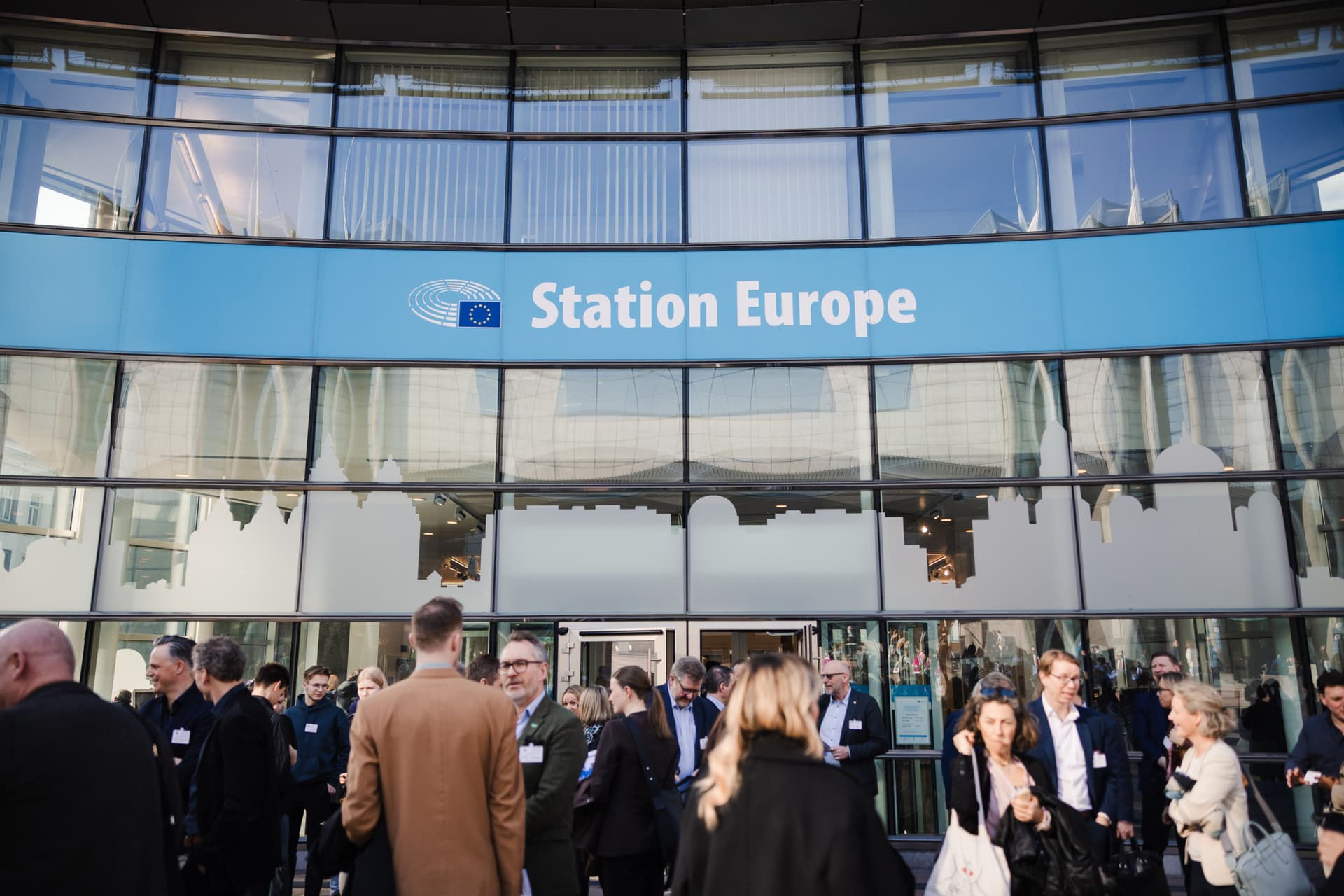
The Norwegian private sector is deeply interlinked with Europe. Due to being a signatory of the European Economic Area (EEA), policies and regulations adopted in the European Union directly affect Norwegian businesses.
Europe is undergoing a profound transformation. Across political institutions, industry discussions, and security alliances, a new understanding is emerging: climate policy, economic competitiveness, and security are no longer separate agendas they are deeply interconnected.
This was a clear takeaway from Skift's meetings in Brussels in March 2026, where representatives from EU institutions, NATO, and Norwegian stakeholders including the Skift network outlined how Europe is adapting to a more uncertain and complex world.
At the core of this shift is a recognition that the green transition must also strengthen Europe’s industrial base and resilience. Decarbonization is no longer viewed solely as an environmental necessity, but as a strategic tool to build new industries, secure energy systems, and reduce geopolitical vulnerabilities.
European climate policy under pressure
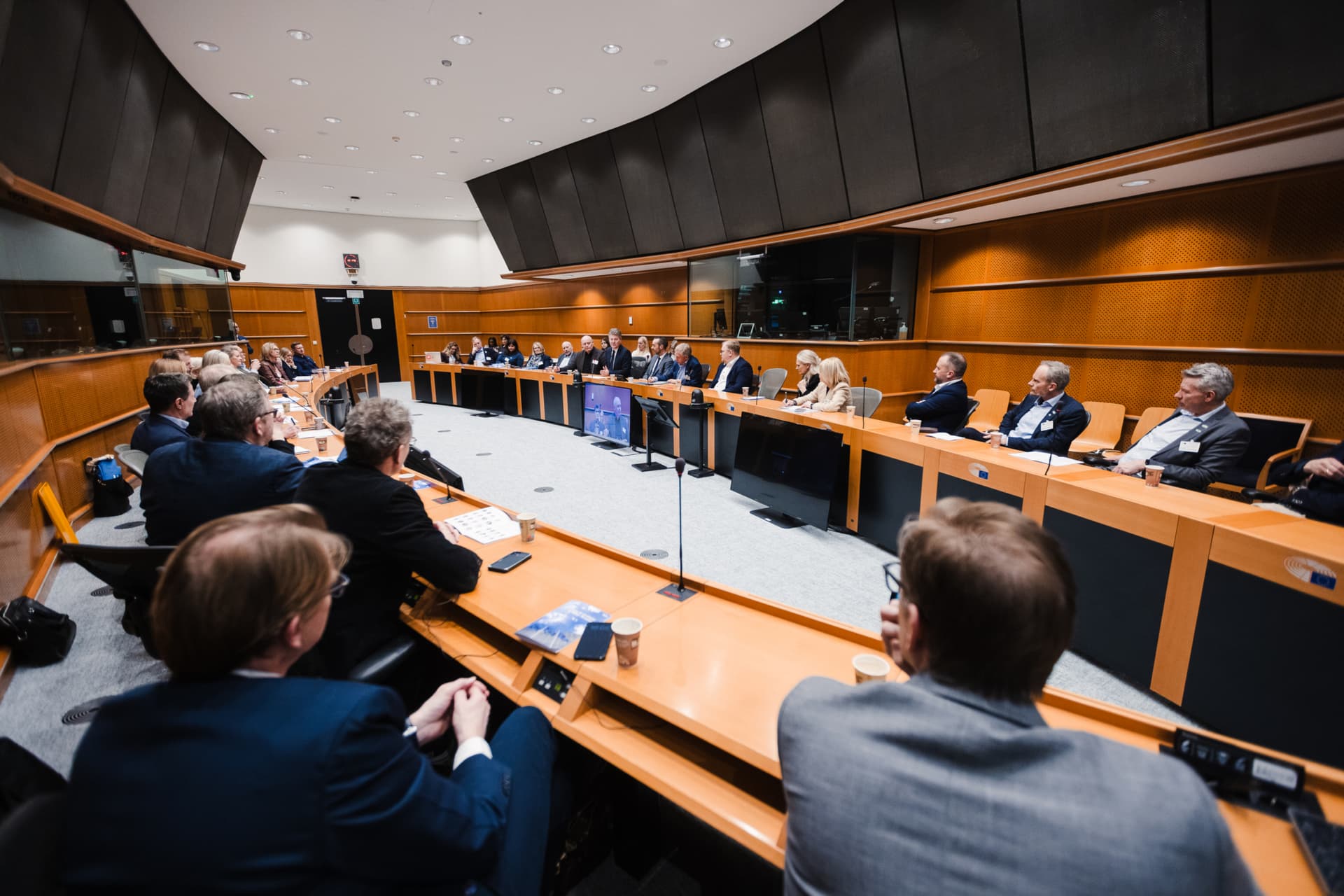
Tensions in European politics are becoming evident in the revision of the emissions trading system (EU ETS). On one hand, there is the need to safeguard competitiveness. On the other, there is the need for stable and predictable climate policy instruments. Several voices are calling for relief measures, but these may weaken predictability and undermine investments that have already been made.
In such a situation, it is important that the business sector contributes clear perspectives. Skift is therefore working closely with European and Nordic stakeholders to highlight experiences and needs at a time when important decisions are being made. As part of this work, we invite you to support the following call to action:
Nordic Business Call for a Clean and Competitive Europe: A Nordic initiative highlighting the need for long-term frameworks that connect climate, energy security, and competitiveness.
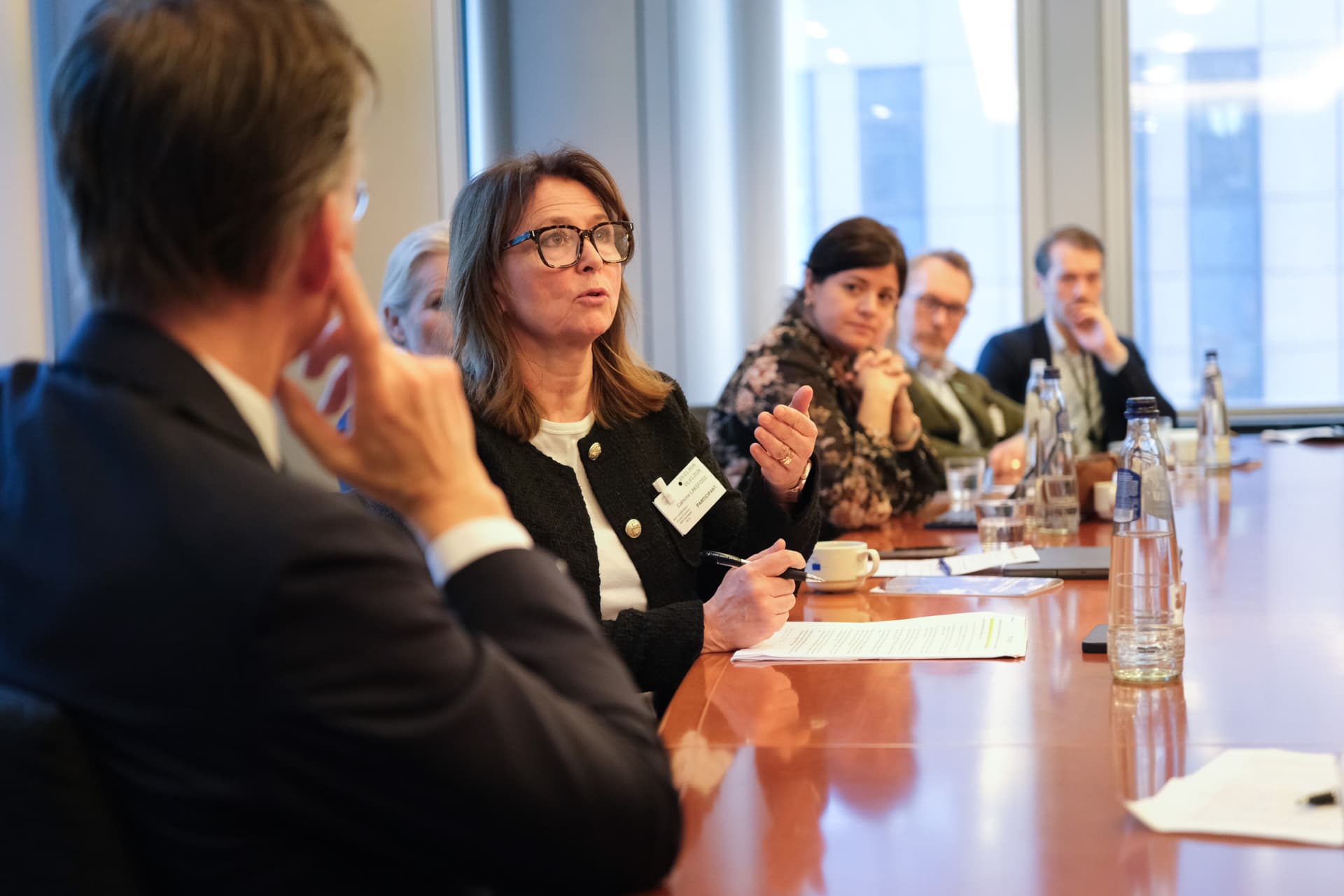
A New Security Paradigm: Energy, Industry and Alliances
The backdrop is a rapidly changing geopolitical landscape. The war in Ukraine, increasing global competition, and uncertainty in transatlantic relations have all contributed to a sense of urgency. In response, Europe is seeking to reinforce its internal capacity economically, technologically, and militarily while maintaining its climate ambitions.
Energy plays a central role in this transformation. It has become both industrial policy and security policy. Stable energy systems, infrastructure resilience, and reduced dependence on external suppliers are now critical priorities. At the same time, high energy prices remain a major challenge for European industry, underlining the need for faster grid development, streamlined permitting, and long-term power agreements.
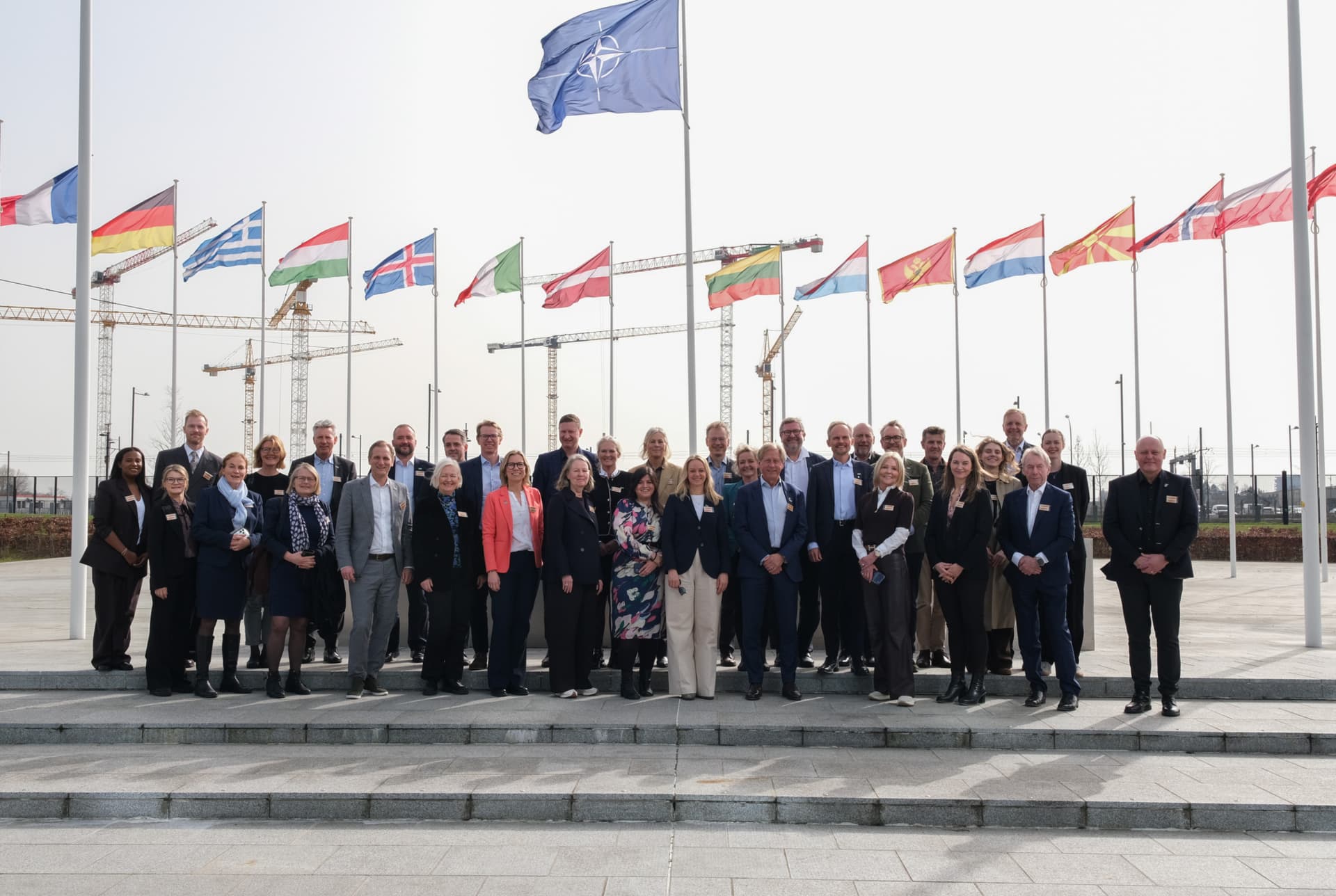
This evolving agenda is also reshaping Europe’s partnerships. Cooperation between the EU and NATO has intensified significantly. NATO continues to provide the military framework for collective defence, while the EU contributes through regulation, financing, and industrial policy that strengthen Europe’s overall security capacity.
Importantly, security itself is being redefined. It is no longer limited to military strength. Instead, it encompasses industrial capacity, supply chains, energy systems, technological innovation, and societal resilience. Climate change is also increasingly treated as a security issue, affecting infrastructure, logistics, and operational readiness.
Within this broader European context, Norway is seen as a trusted and strategic partner. Through the EEA Agreement, energy cooperation, and contributions to green industry and finance, Norway plays a key role in supporting Europe’s transition. At the same time, European counterparts are encouraging stronger Norwegian engagement in shaping future policies and initiatives.
From Fragmentation to Alignment: Europe’s Moment for Collective Action
What emerges is a picture of a more integrated Europe one where policy areas that were once treated separately are now aligned toward a common goal: building a competitive, climate-neutral, and secure continent.
For business and industry, this shift represents both a challenge and an opportunity. The window for shaping Europe’s future direction is still open but it is narrowing quickly. Success will depend on the ability of governments, institutions, and companies to work together across borders and sectors.
In this new reality, partnership is not optional. It is the foundation for Europe’s ability to navigate uncertainty, maintain competitiveness, and deliver on its climate goals.